How to Build a Project Team You Trust — and Why It Matters (More Than You Know)
A Citizen Artist Field Guide to Choosing the Right Partners
By Rafael Kalichstein, a Citizen Artist

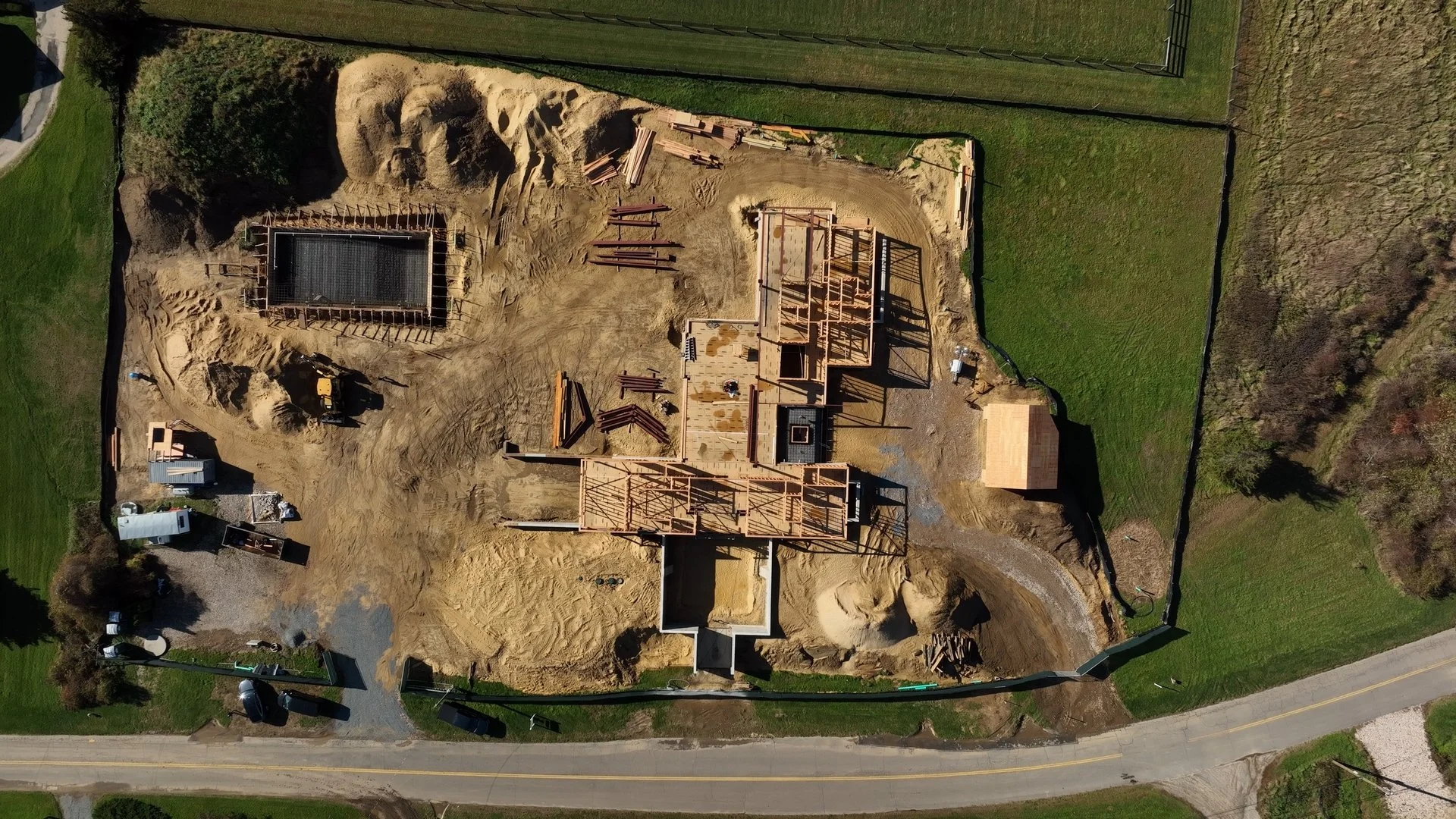
Wainscott, NY
Builder: Silver Lining
Photographer: Ben Wolf
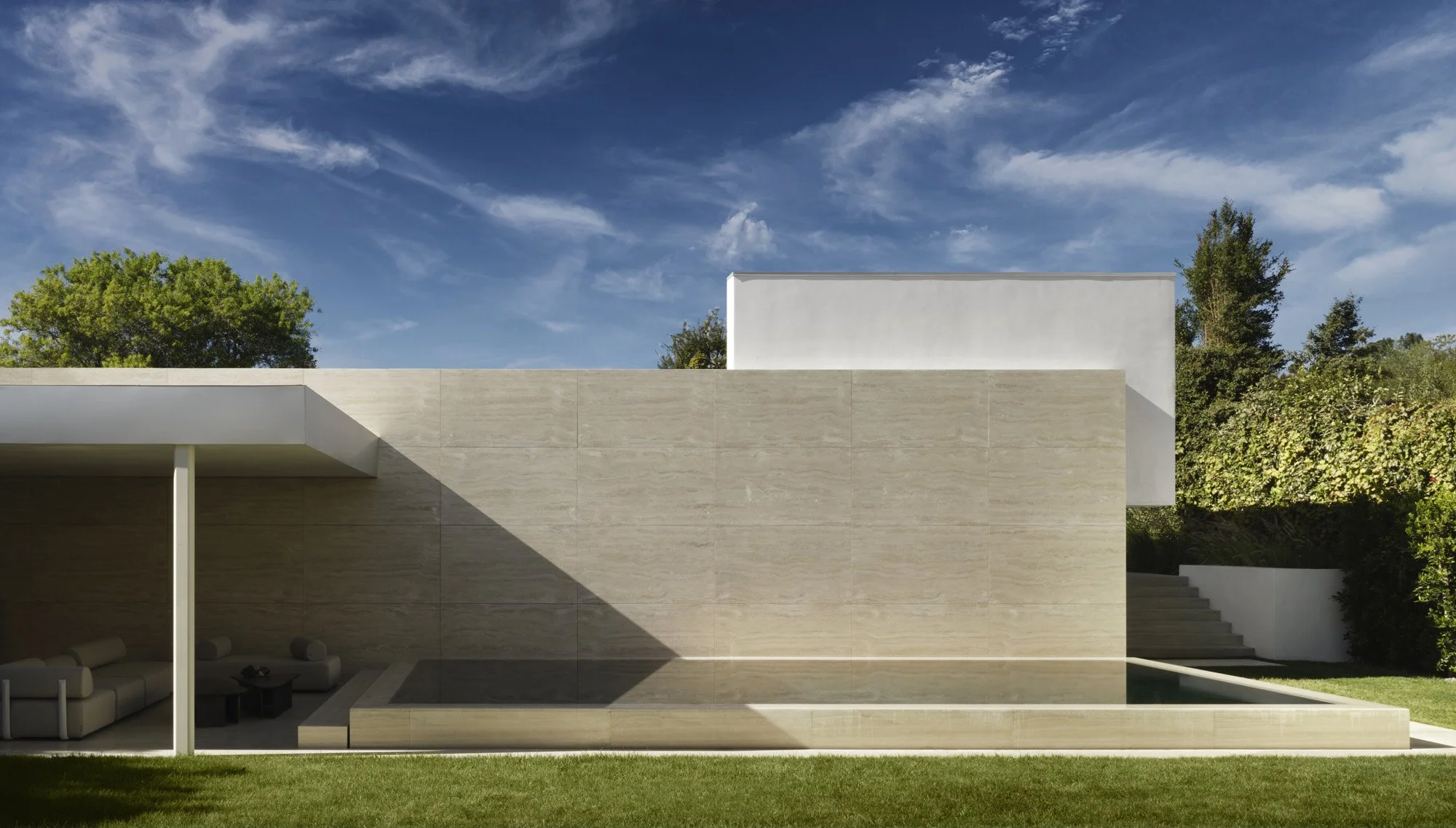
Los Angeles, CA
Architecture: Carl Massara & Associates
Design: Citizen Artist
Photography: Douglas Friedman
In design and architecture, it's easy to imagine the finished moment — when structure, proportion, context, and light resolve into a single, coherent manifestation of ideas: a home. We're surrounded by images of that moment, refined and persuasive, each suggesting that beauty is the destination and that getting there is simply a matter of style.
But a home isn't built in that frame. The real work begins well before anything worth photographing takes shape.
It takes people — acumen, coordination, and trust — to turn vision into built reality. In the end, every project, no matter its scale, succeeds or fails because of one thing: who you trust to build it with you. Before drawings or budgets, you'll choose who you trust to build this — and that choice determines everything that follows. Once made, that choice sets the course — for the work itself, and for every cost, compromise, and outcome that will define it.
Building a team isn't only about taste; it's about judgment. At the outset, you need to recognize when confidence masks inexperience, when charm obscures depth, or when reputation gives the illusion of expertise. At Citizen Artist, we've seen both kinds of projects: those built on discernment move with composure and purpose. The others, however promising, begin to unravel.
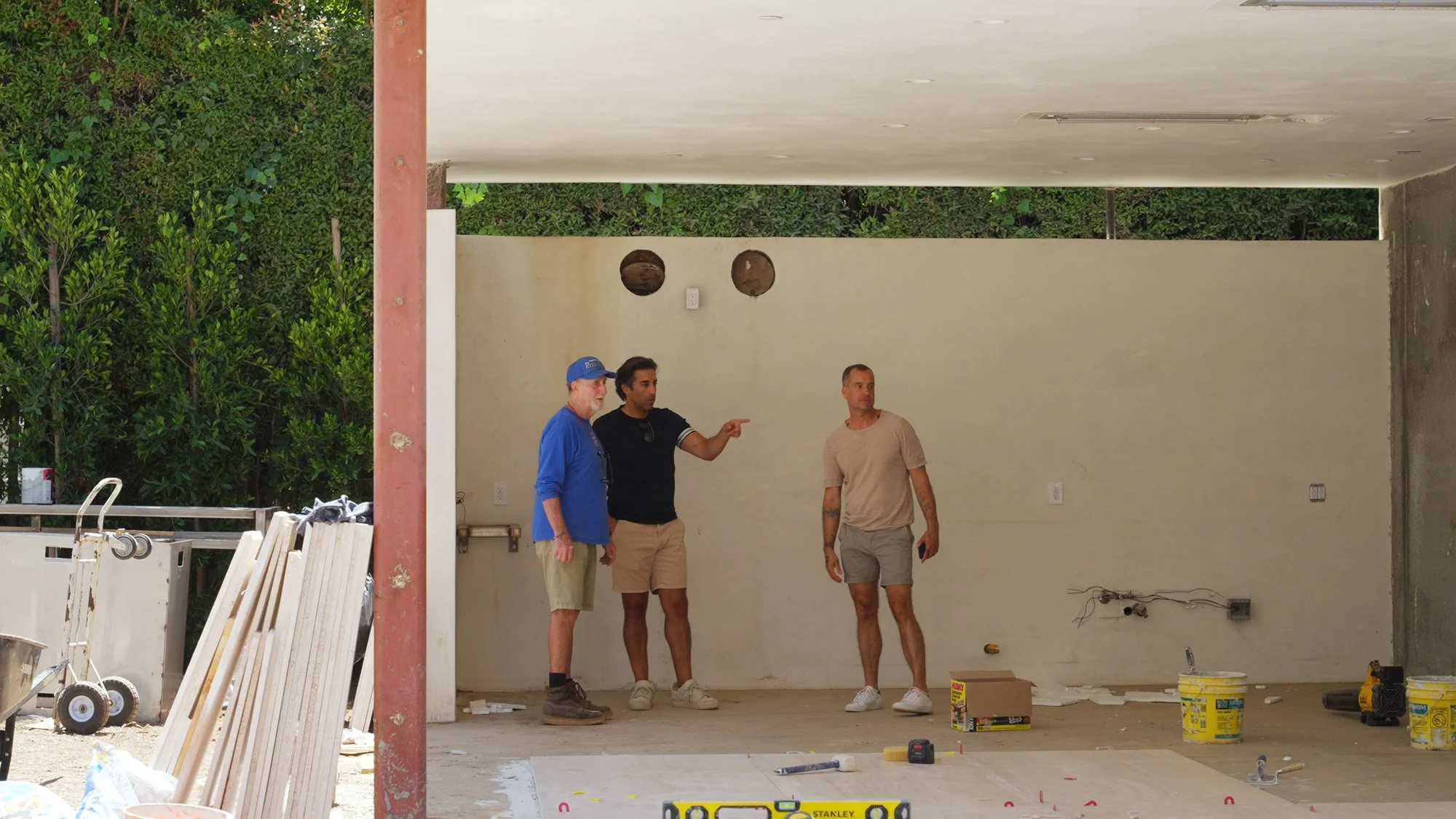
Los Angeles, CA
Architecture: Carl Massara & Associates
Design: Citizen Artist
Builder: Rabuchin Construction
Photography: Raleigh Gambino
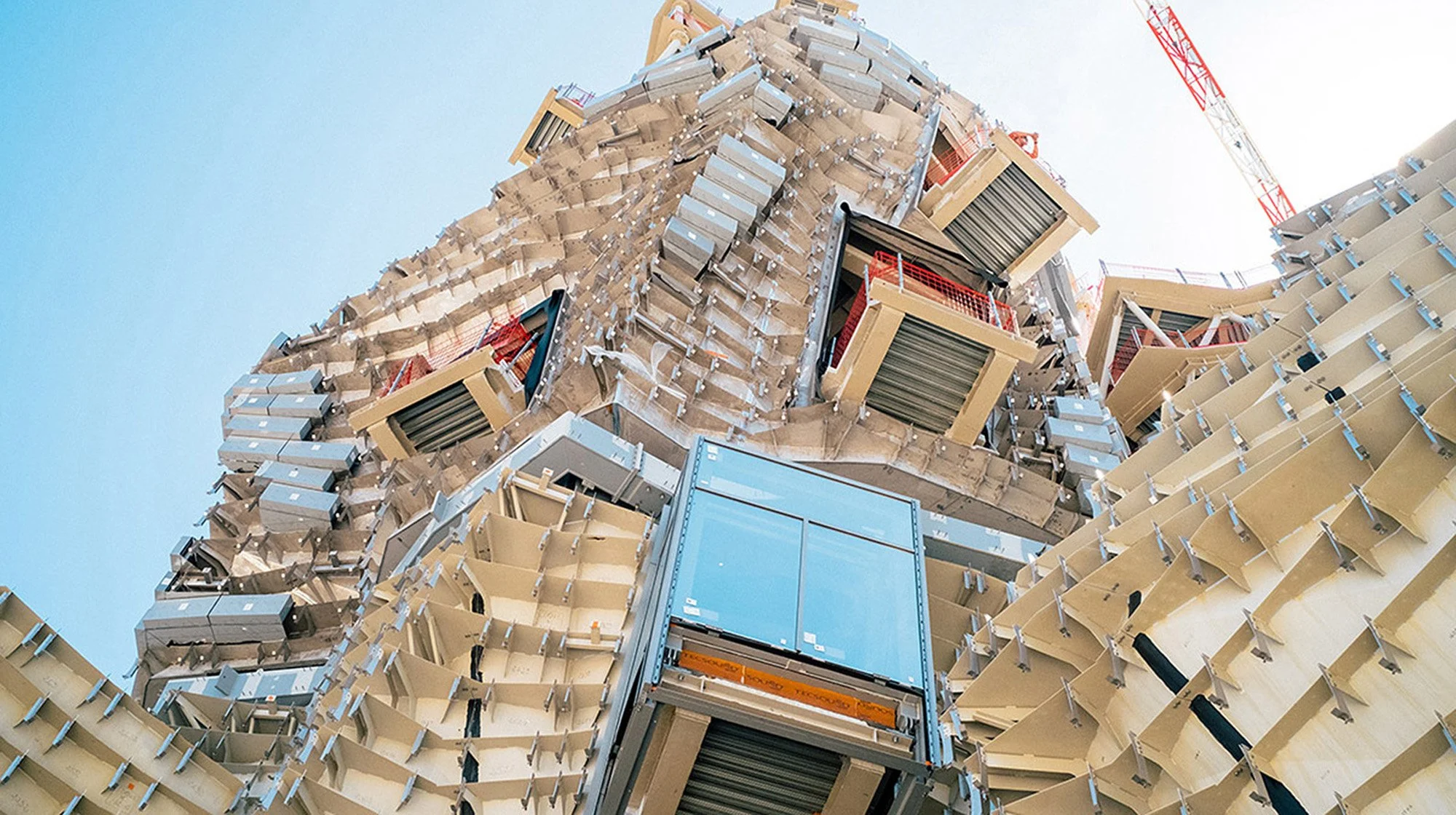
Arles, France
Architecture: Frank Gehry
When any of these elements falter, small gaps quietly widen. Communication slows. What began with exhilaration becomes something you endure instead of something you shape. But when the right people are in place, decisions stay tethered to intent. The process feels demanding but steady — rigorous, yet human.
That difference traces back to one decision: who you trusted to build beside you. The right team becomes your advocate, your guide, and your partner. They protect not only your resources but your time and peace of mind.
That's the critical moment — long before a single line is drawn. But this isn't something you can figure out alone.
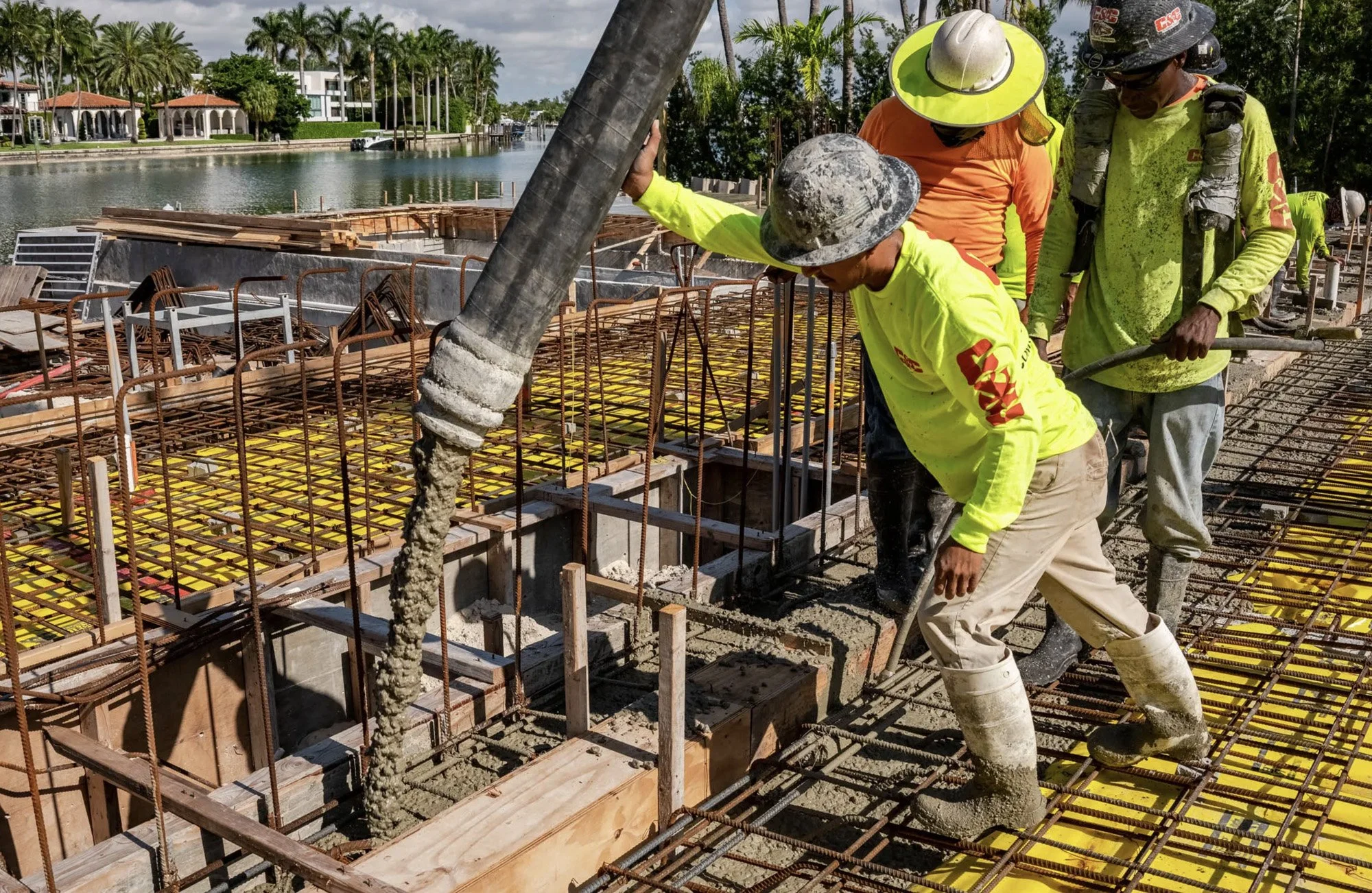
Miami, FL
Builder: Flower Construction
Glossy publications and curated portfolios show finished spaces, the moment everything looks complete. But those images never tell the whole story. They don't show the missteps, the budgets stretched thin, or the relationships that buckled under pressure. Sometimes projects that went badly still photograph beautifully. What defines the experience isn't visible — it's what held the project together: the quality of process, the steadiness of leadership, and the trust within the team.
The work itself demands fluency across disciplines — architecture, engineering, landscape, craft, logistics, finance — and a level of foresight that only experience can teach. But even experience alone isn't enough. It takes the rare combination of skill, temperament, and shared purpose — qualities developed over years of working alongside the right partners on complex projects.
How to Choose the Right Partners
Start with consciousness. Look for teams who ask as much as they answer — who don't rush to impress, but to understand. Notice who leads communication, who holds accountability, and how decisions move through the team. The best partners are explicit about how schedules are planned and protected, and how they coordinate with consultants, engineers, and the network of subcontractors that defines the quality of the build.
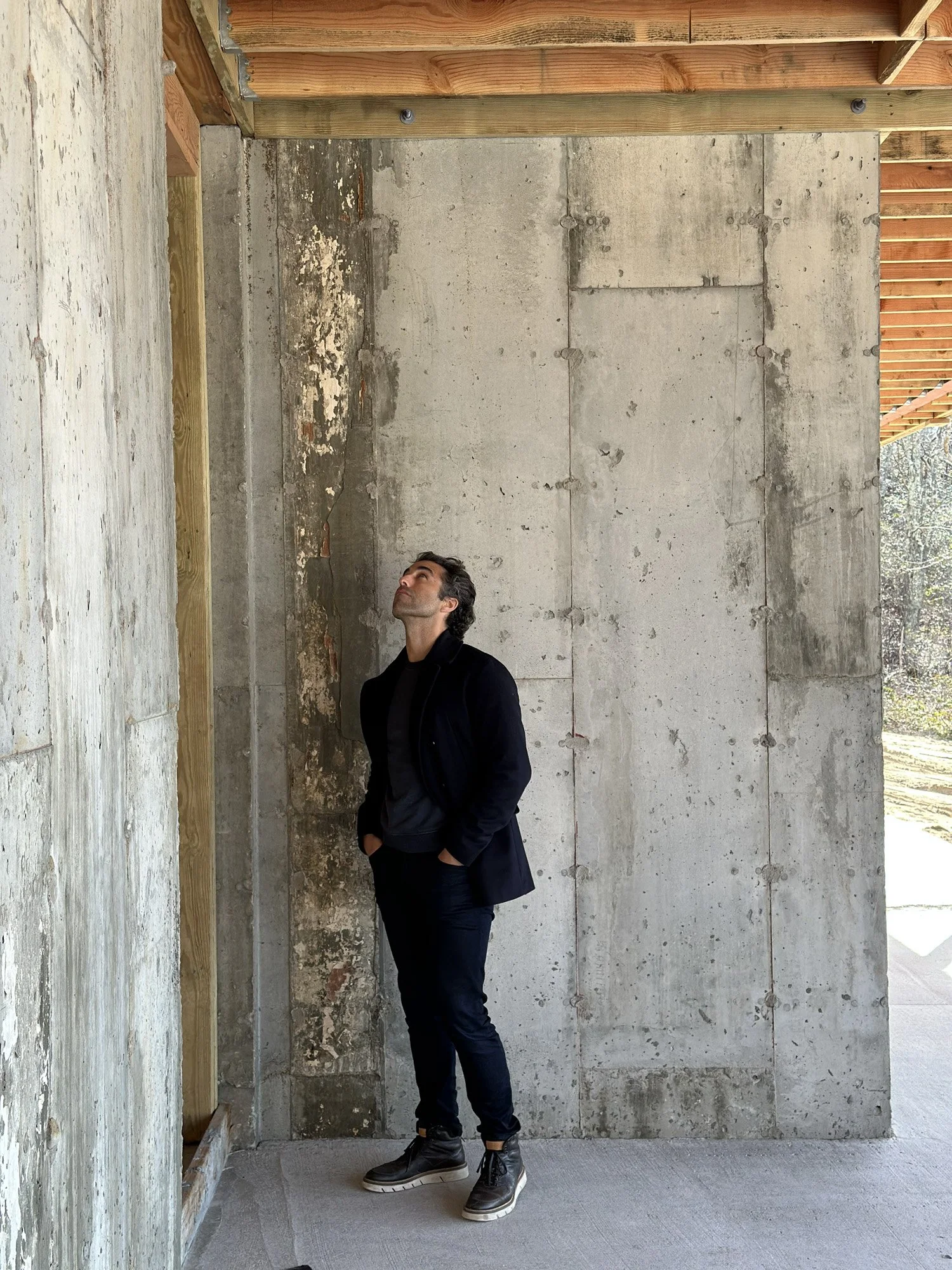
Water Mill, NY
Architecture: Jason Thomas Architect
Design: Citizen Artist
Builder: James O’Neill Homes
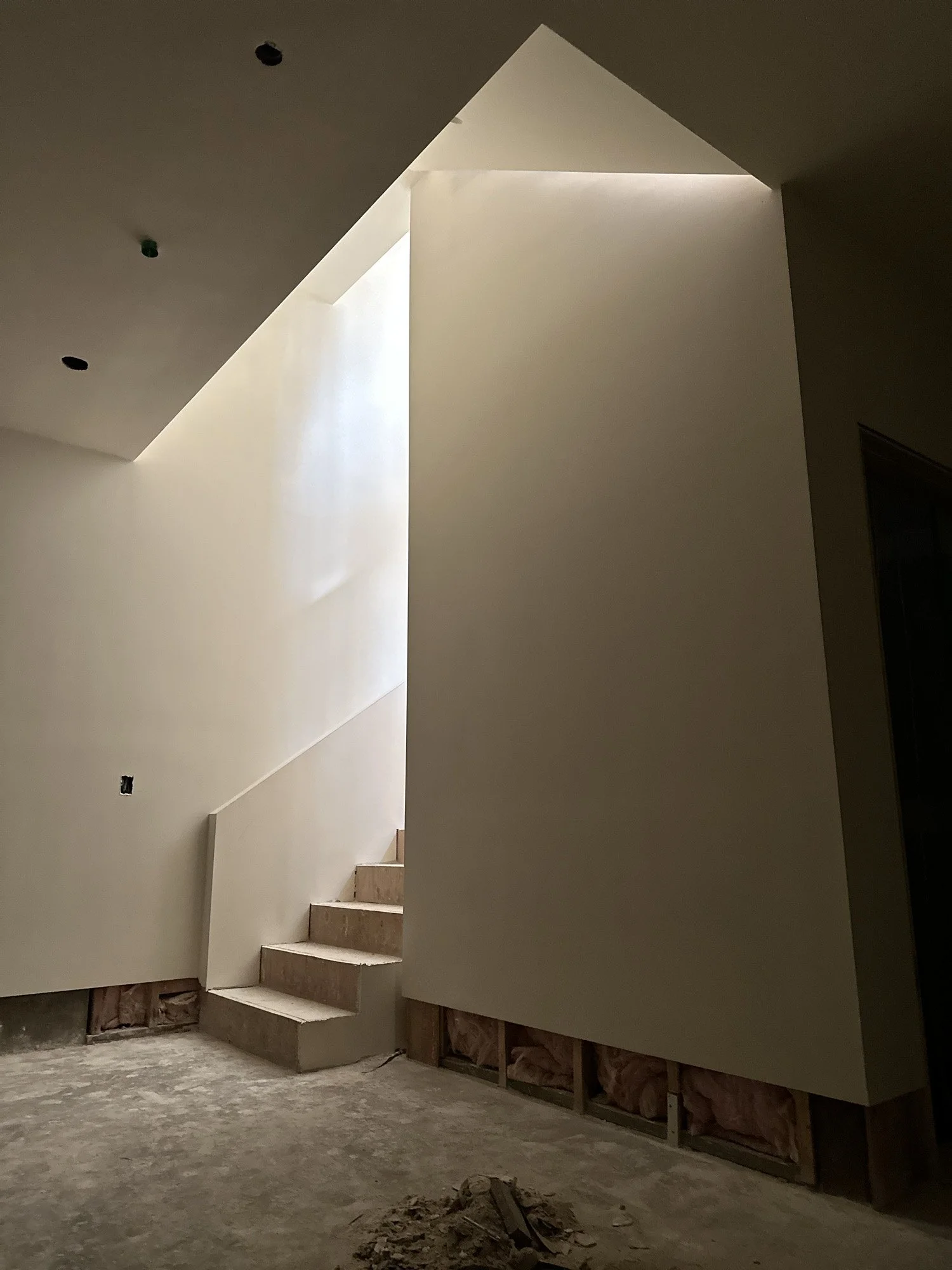
Los Angeles, CA
Architecture: Carl Massara & Associates
Design: Citizen Artist
Builder: Rabuchin Construction
Then go deeper with curiosity. How much space do they truly have in their current roster? What resources will they dedicate to your project? How many projects is each lead managing—two? Five? Ten? Will you have a dedicated team or one shared across multiple sites?
Ask about the principals: will you have direct access to them — and if so, how often, and in what capacity? If the answer is vague ("we're always available"), press for specifics. If not, who will be leading the work in practice — and what's their track record?
You're not hiring a name; you're engaging time, attention, and the depth of focus your project deserves. The best firms are transparent about capacity — how many projects they're managing, who's accountable for yours, and how they protect that focus as work scales.
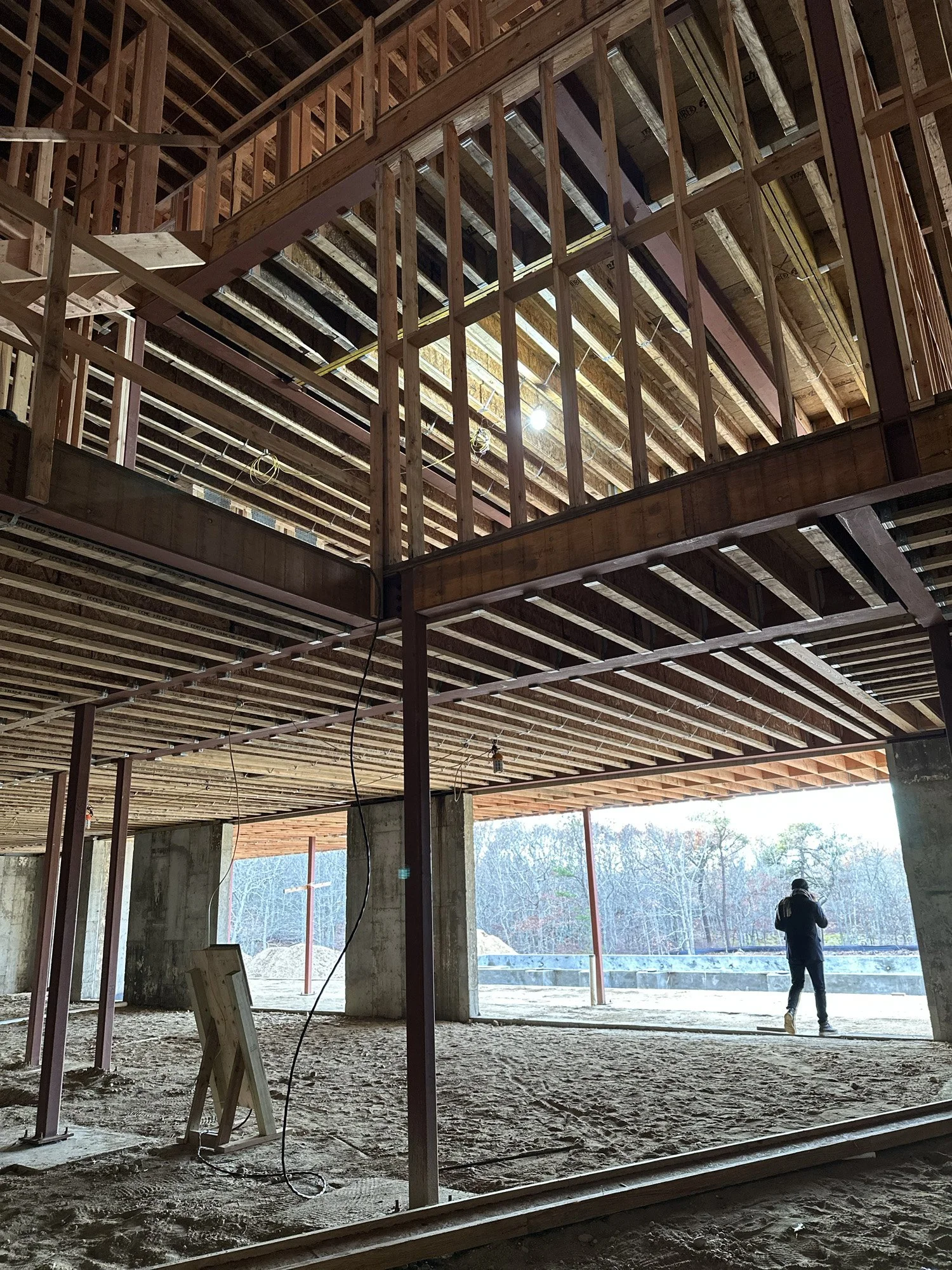
Water Mill, NY
Architecture: Jason Thomas Architect
Design: Citizen Artist
Builder: James O’Neill Homes
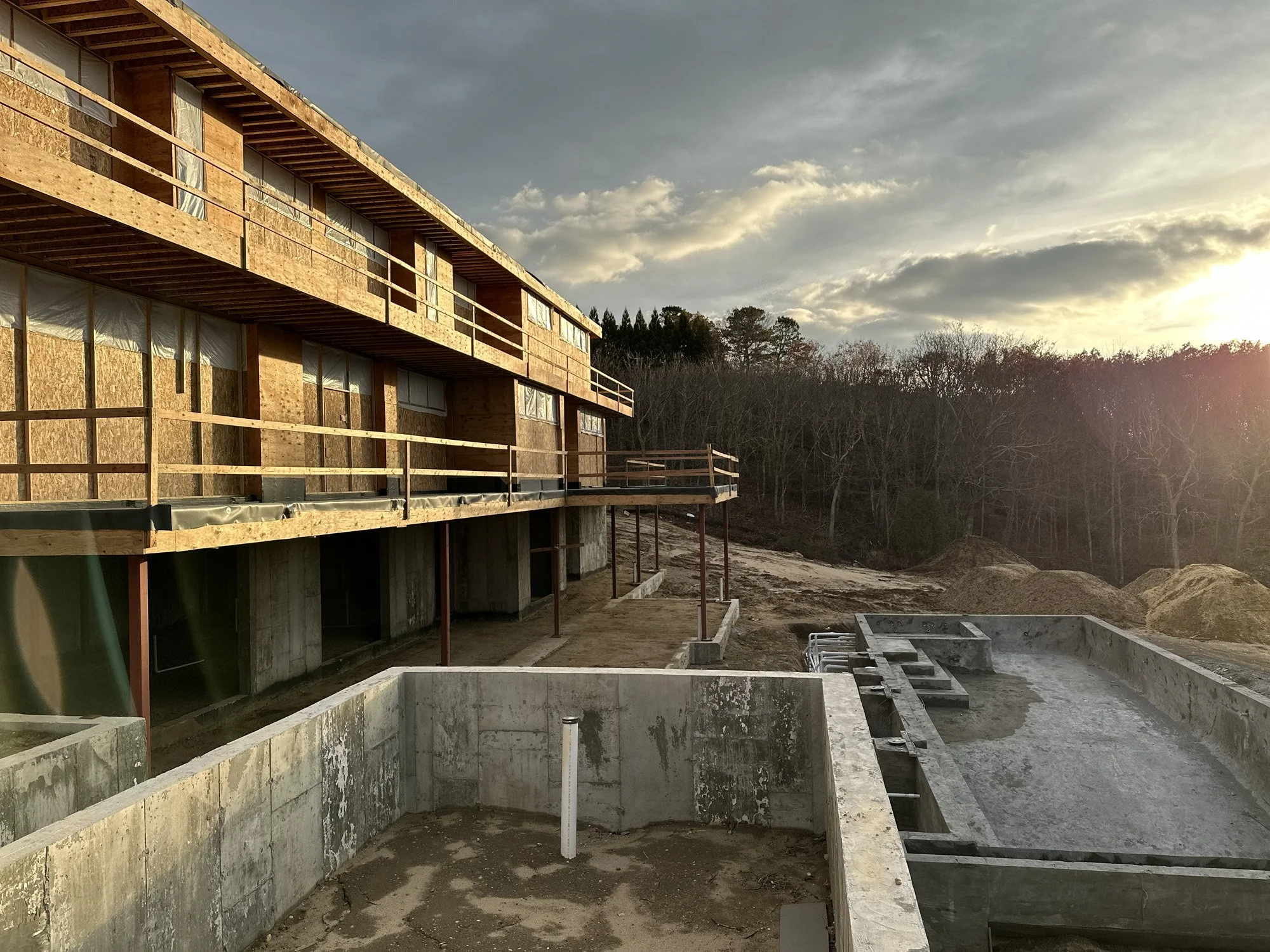
Water Mill, NY
Architecture: Jason Thomas Architect
Design: Citizen Artist
Builder: James O’Neill Homes
Understand how each partner defines their process — how they organize their work from concept to completion. When comparing proposals, compare scope, not style. Every service you'll need has to come from somewhere. A proposal that includes full engineering coordination, three rounds of revisions, and weekly site visits isn't comparable to one that includes "design services" without specifics — even if the second one looks more polished.
Ask how they handle change orders. What's included in their deliverables, and what isn't? If it isn't captured at the outset, it will surface later — costs don't disappear; they only change shape.
When you meet potential partners, ask how they identify costs or scope that often fall outside proposals — and what kinds of conditions typically cause delays. Their answers will reveal how they think and how they manage uncertainty. Even if something's overlooked — which happens to the best of us — you'll come away with a clearer view of their approach and a better sense of what's ahead.
If you're hiring an owner's representative, the same principles apply. Representation only works when the representative brings both technical fluency and sound judgment to the role.
Strong projects aren't defined by the absence of challenges but by how challenges are handled.
When trust is built early, solutions come faster and creativity stays intact.
You're not just engaging a team's time — you're accessing the sum of their experience: the relationships they've built, the craftspeople they trust, the systems they've refined over years of doing the work well. The best teams bring more than talent; they bring a constellation of insight, coordination, and artistry that guides every decision. That collective intelligence — earned, tested, and shared — is what gives a project its strength.
As your team takes shape, notice how they interact. Strong collaborators show respect across disciplines — between architect and builder, designer and engineer. You'll hear it in how they resolve friction and how they speak about one another's work. Ego is a warning sign. True collaboration shows up in how people listen and stay composed when pressure rises.

Milan, Italy
Architecture: Mario Cucinella Architects
Builder: Casone Group
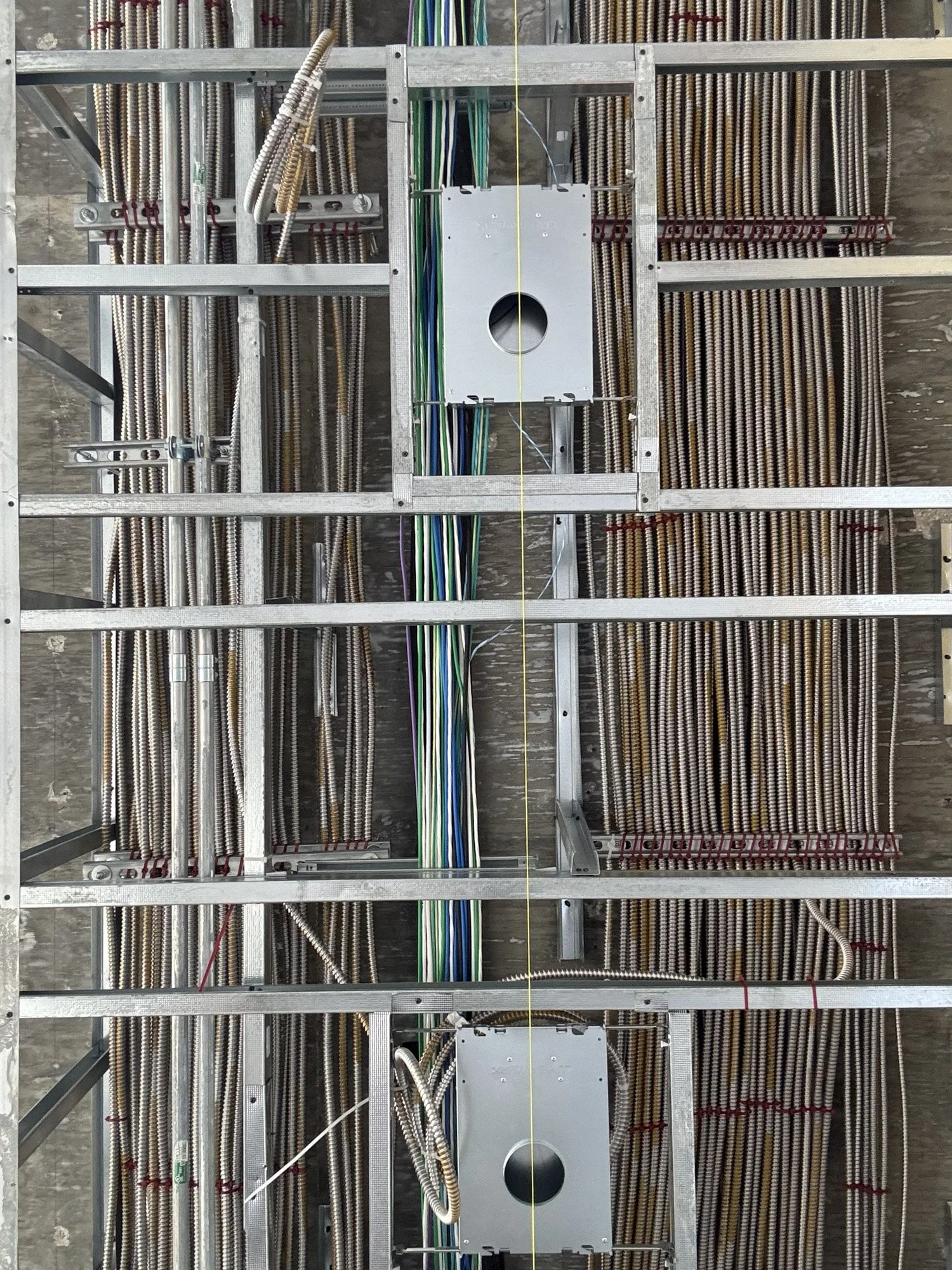
The most capable professionals are drawn to clients who approach the process with curiosity and respect. Ask directly, but listen generously. The goal is to build trust and the sense that you're all pulling in the same direction.
You don't have to know every question yet. That's what this guide is for—to help you understand what to ask, and why the answers matter. What you've read here is only a starting point; each of these subjects—proposals, coordination, communication, and culture—deserves its own exploration, which we'll cover in the pieces ahead.
Choosing well doesn't guarantee perfection, but it ensures alignment—a shared commitment to doing the right work, the right way, for the right reasons. That's what holds a project together when conditions shift.
You don't need every answer when you begin. You just need the right people beside you.
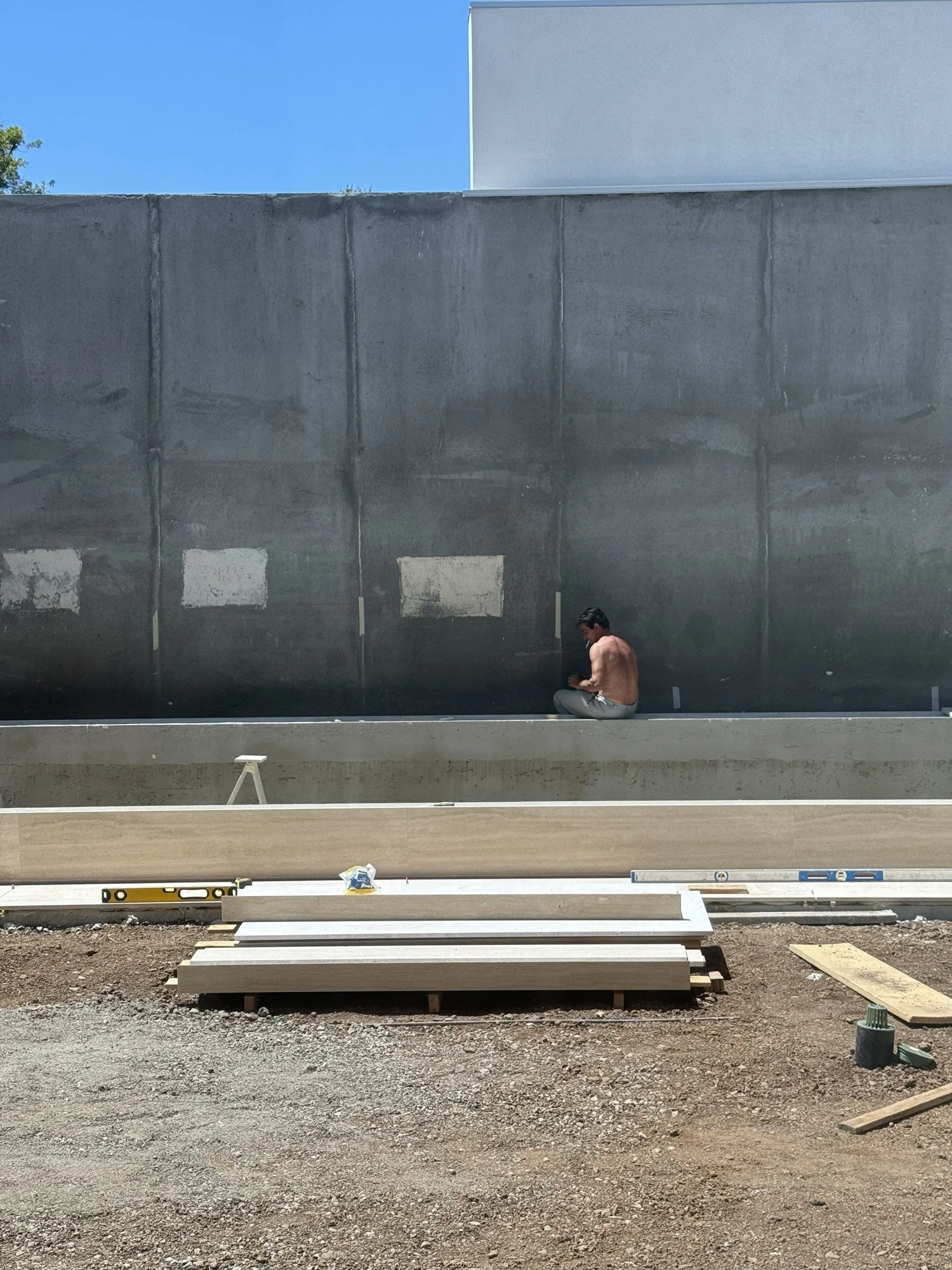
Los Angeles, CA
Architecture: Carl Massara & Associates
Design: Citizen Artist
Builder: Rabuchin Construction
At Citizen Artist, we approach every project with consciousness, curiosity, and integrity. We believe every project is a collaboration — between vision and craft, aspiration and discipline, design and life. We begin by listening, by understanding what matters most, and by building trust before anything else.
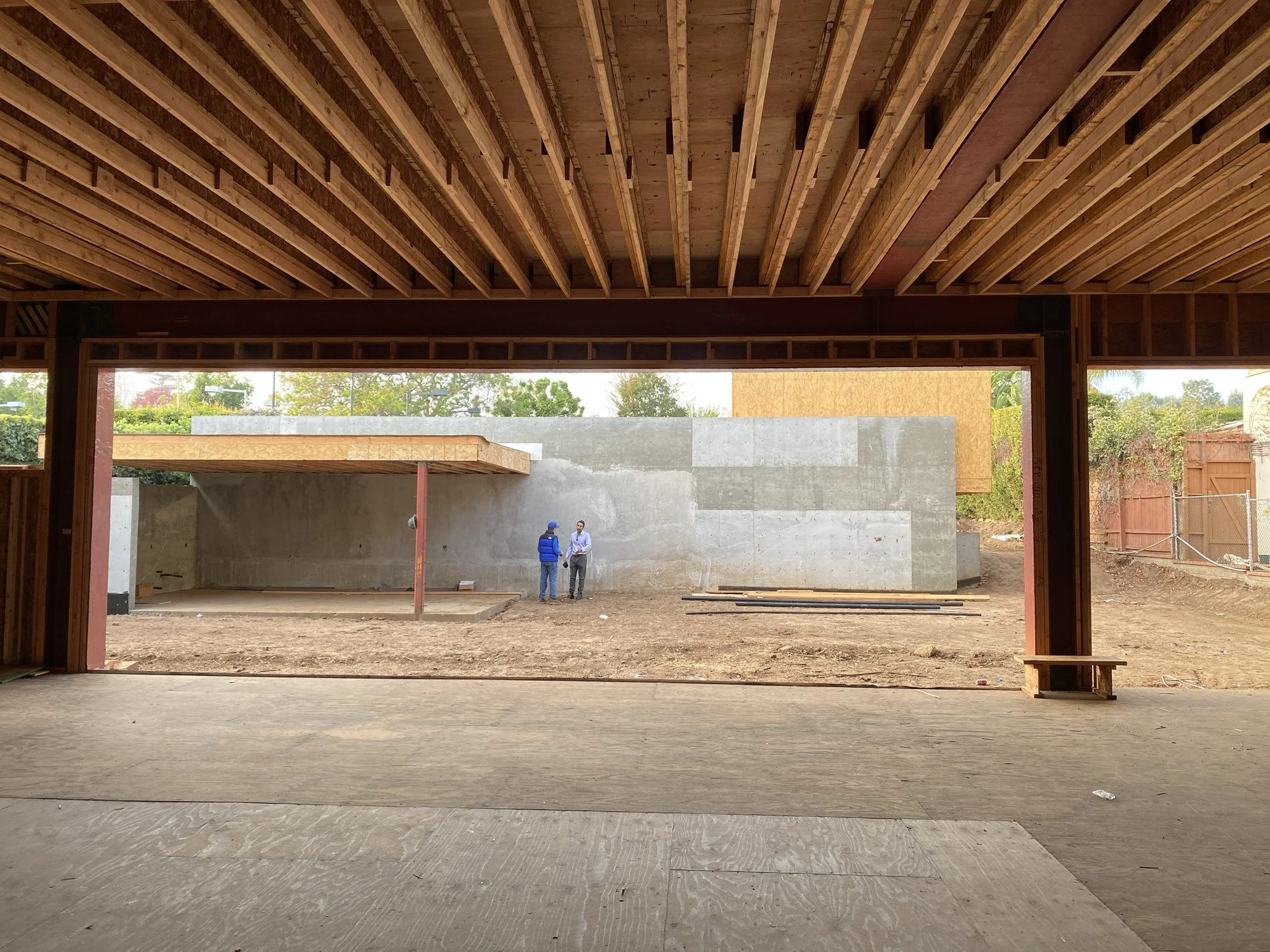
Los Angeles, CA
Architecture: Carl Massara & Associates
Design: Citizen Artist
Builder: Rabuchin Construction
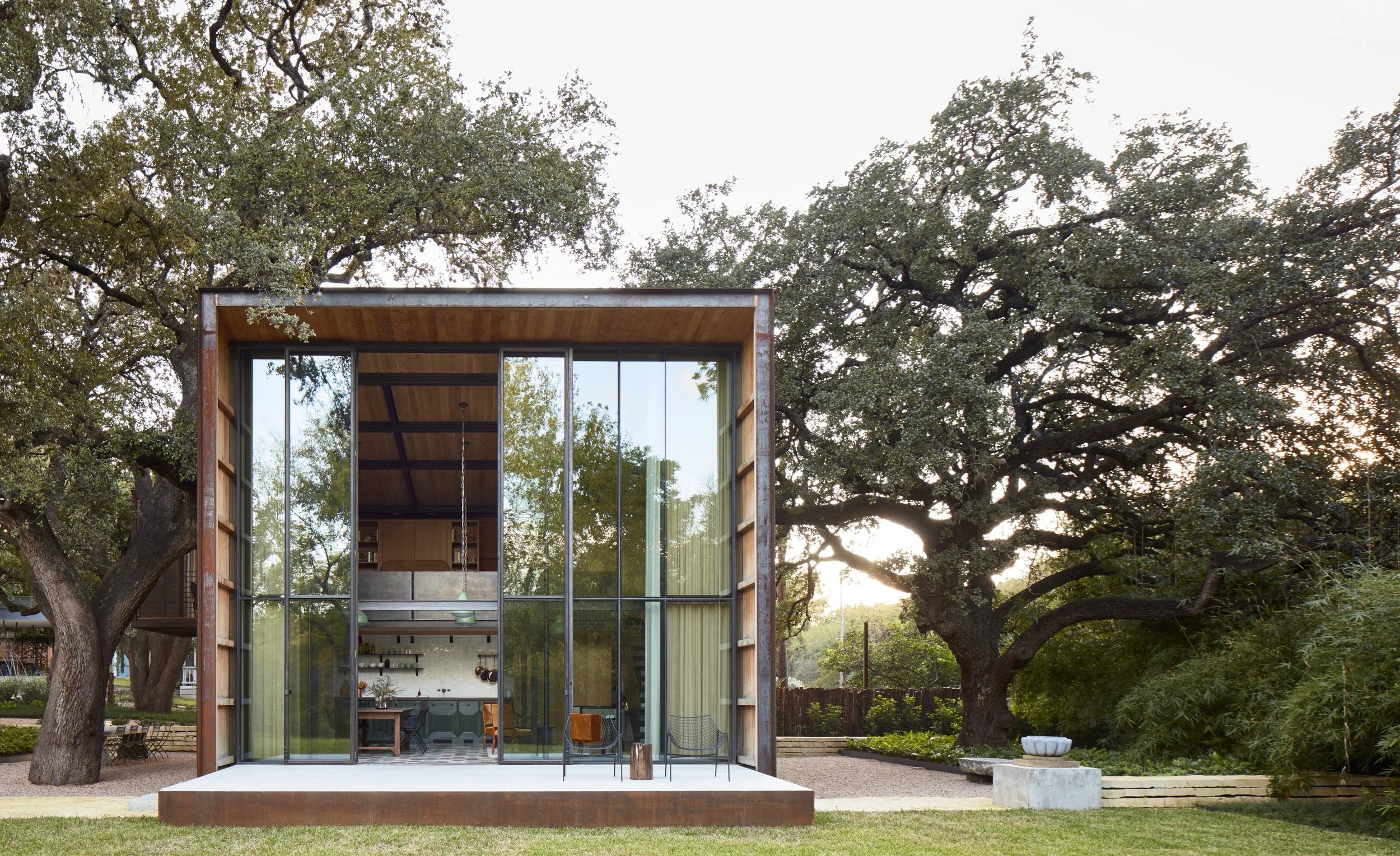
In the end, architecture is not just about what you build. It's about who you build it with.
This essay is part of the ongoing Citizen Artist Field Guide—a series exploring how to assemble the right project team—architects, designers, builders, and craftspeople—and the questions that matter most before you hire them.